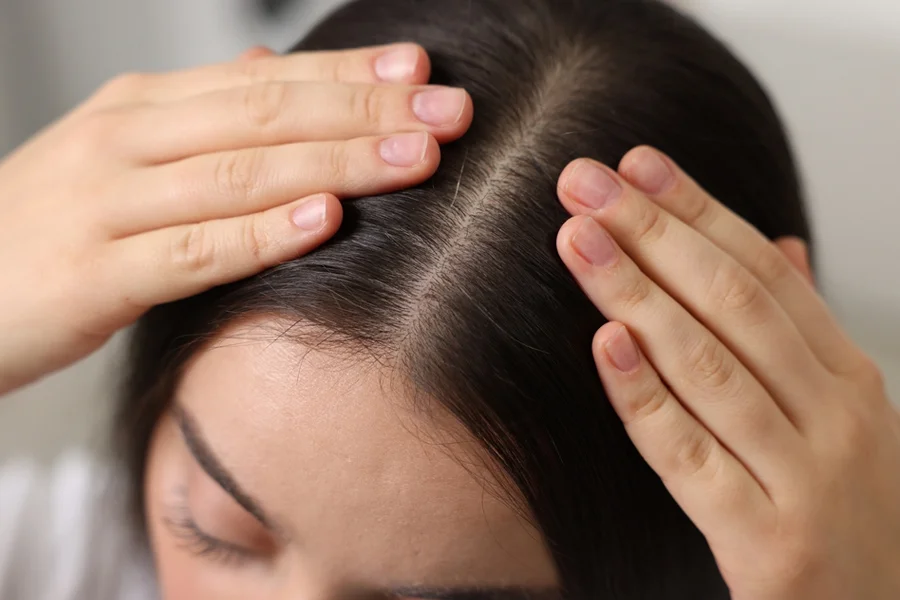
When it comes to haircare, most people focus on the length of their hair—choosing products that promise shine, smoothness, and frizz control. While these are important, one crucial area is often overlooked: the scalp. Without a healthy scalp, even the best haircare products can only deliver limited results.
The scalp is the foundation of healthy hair. It’s where hair growth begins, and its condition directly affects the strength, thickness, and overall appearance of your hair. Just as healthy soil is essential for strong plants, a well-nourished, balanced scalp is key to growing strong, resilient strands.
Proper scalp care not only supports healthy hair growth but also improves hair strength, shine, and manageability. From maintaining the right moisture balance to preventing buildup and irritation, caring for your scalp ensures your hair can grow and thrive at its best.
To truly achieve strong and healthy hair, it’s important to understand the role your scalp plays. The scalp is not just skin—it’s a living, active environment that supports hair growth and overall hair quality.
The scalp contains thousands of hair follicles, which are tiny structures embedded in the skin where each strand of hair grows. At the base of each follicle is the hair root, supported by blood vessels that deliver oxygen and nutrients essential for growth.
Sebaceous glands are also attached to these follicles, producing natural oils (sebum) that help moisturise and protect both the scalp and hair strands. A healthy scalp maintains the right balance of these elements to keep hair strong and nourished.
Hair grows in a continuous cycle made up of three main phases:
A healthy scalp supports a longer growth phase and a stable cycle, resulting in thicker, stronger hair. If the scalp is unhealthy—due to buildup, irritation, or poor circulation—it can disrupt this cycle, leading to hair thinning, slow growth, or increased shedding.
The scalp naturally produces oils to keep itself and the hair hydrated. However, balance is key:
In addition to an oil balance, good blood circulation is essential. Proper circulation ensures that hair follicles receive the nutrients and oxygen they need to function effectively. This supports stronger roots and healthier hair growth over time.
Your scalp plays a direct role in determining how strong, thick, and healthy your hair grows. When the scalp is in good condition, it creates the ideal environment for hair follicles to function properly and produce high-quality strands.
Hair follicles are responsible for producing each strand of hair. When the scalp is well-nourished and balanced, these follicles receive the oxygen, nutrients, and hydration they need to grow strong, resilient hair.
Healthy follicles lead to:
In simple terms, a healthy scalp supports stronger roots and better-quality hair from the start.
When the scalp is unhealthy, it directly affects how hair grows. Issues such as buildup, dryness, excess oil, or irritation can disrupt follicle function.
This can result in:
Clogged or stressed follicles struggle to produce strong hair, leading to strands that are more prone to damage and shedding.
Hair density—how thick or full your hair appears—is closely connected to scalp condition. A healthy scalp supports active, productive follicles, which means more hair strands growing at the same time.
On the other hand, an unhealthy scalp can cause:
Maintaining scalp health helps ensure that more follicles remain in the active growth phase, leading to fuller, denser hair over time.
Even with a good haircare routine, scalp concerns can develop over time due to product use, weather, lifestyle, or underlying sensitivity. Identifying these issues early is essential because scalp health directly affects hair strength, growth, and overall appearance.
A dry scalp occurs when the skin lacks enough moisture and natural oils. This often leads to tightness, itching, and visible flakes.
Common causes include:
When the scalp becomes too dry, the skin barrier weakens, which may lead to irritation and weaker hair roots over time.
Impact on hair:
Dry scalp can contribute to brittle roots, dull hair texture, and increased breakage, especially near the hairline.
An oily scalp produces excess sebum, which can make hair look greasy shortly after washing. While natural oils are essential, too much oil often traps dirt, sweat, and product residue.
This buildup can make the scalp feel heavy and may interfere with healthy follicle function.
Impact on hair:
Excess oil and buildup can lead to:
Over time, this may also affect how well new hair grows.
Dandruff is one of the most common scalp concerns and usually appears as white or yellowish flakes, often accompanied by itching and irritation.
It can be caused by:
Persistent dandruff can inflame the scalp surface, making it uncomfortable and affecting the scalp’s natural balance.
Impact on hair:
Ongoing irritation may weaken the scalp environment, which can contribute to hair shedding and reduced hair quality.
Heavy styling products, oils, dry shampoos, and even conditioners can accumulate on the scalp if not cleansed properly.
This buildup blocks the scalp surface and may clog follicles, preventing proper airflow and nutrient absorption.
Impact on hair:
Clogged follicles can lead to:
Regular cleansing and occasional scalp exfoliation help prevent this issue.
Some scalps are more reactive to hair dyes, strong fragrances, sulfates, pollution, sun exposure, or hard water.
This sensitivity may cause:
Environmental stress can also weaken the scalp barrier and disrupt its natural moisture balance.
Impact on hair:
A sensitive scalp often leads to fragile roots, increased hair fall, and weaker overall hair health.
Recognising the early signs of an unhealthy scalp is essential for preventing long-term hair issues. Since the scalp directly supports hair growth, any imbalance can quickly affect the strength, texture, and overall health of your hair.
Frequent itching or a feeling of discomfort is often the first sign that something is wrong with your scalp. Redness or sensitivity may indicate dryness, product reactions, or inflammation.
What it means:
Your scalp barrier may be compromised, making it more prone to irritation and affecting healthy hair growth.
A healthy scalp maintains a natural balance of oil. When this balance is disrupted, you may notice:
What it means:
Imbalance in oil production can lead to clogged follicles or dehydration, both of which negatively impact hair quality.
Visible flakes on your scalp or shoulders are a clear sign of scalp imbalance. This could be due to dryness, dandruff, or buildup.
What it means:
Your scalp may need better cleansing, hydration, or targeted treatment to restore balance and reduce irritation.
If your hair feels weaker than usual, breaks easily, or appears thinner, the issue may start at the scalp level.
What it means:
Unhealthy follicles struggle to produce strong strands, leading to reduced hair strength and density over time.
Hair that takes longer to grow or seems “stuck” at a certain length can indicate poor scalp health.
What it means:
The scalp may not be providing enough nutrients or support for active hair growth, often due to buildup, poor circulation, or imbalance.
Choosing the right ingredients is essential for maintaining a balanced, nourished, and irritation-free scalp. The right formulations help cleanse, soothe, and support the scalp environment, allowing hair to grow stronger and healthier.
Tea tree oil is known for its purifying and calming properties. It helps remove excess oil, reduce buildup, and soothe scalp irritation.
It is especially beneficial for those dealing with:
By keeping the scalp clean and refreshed, tea tree oil supports a healthier environment for hair growth.
Aloe vera is a powerful natural ingredient that provides lightweight hydration while soothing the scalp. It helps reduce dryness, redness, and discomfort without making the scalp greasy.
Benefits include:
It’s ideal for both dry and sensitive scalp types.
Salicylic acid works as a mild exfoliant, helping to remove dead skin cells, excess oil, and buildup from the scalp. This prevents clogged follicles and keeps the scalp surface clear.
Key benefits:
When used correctly, it helps maintain a smooth and balanced scalp environment.
Niacinamide, a form of Vitamin B3, helps improve scalp condition and overall resilience. It supports better circulation and strengthens the scalp barrier, making it less prone to irritation.
Benefits include:
This ingredient is particularly useful for maintaining long-term scalp balance.
Natural oils such as argan, coconut, and jojoba help nourish and protect the scalp while maintaining its natural oil balance.
They work by:
When used in moderation, natural oils keep the scalp hydrated without causing buildup.
Choosing the right products for your scalp is essential to maintain a clean, balanced, and irritation-free environment. Unlike traditional haircare that focuses only on length, scalp-focused products are designed to support the roots, follicles, and overall scalp condition.
A good scalp routine begins with the right shampoo. Scalp-friendly shampoos are formulated to cleanse without stripping natural oils, helping maintain the scalp’s moisture balance.
These shampoos are ideal for regular use and suitable for most scalp types, especially sensitive or dry scalps.
Conditioner is essential for hair health, but when it comes to scalp care, choosing the right type is important. Heavy or overly rich conditioners can clog pores if applied to the scalp.
This ensures your hair remains smooth and hydrated without interfering with scalp health.
Targeted scalp treatments and serums are designed to address specific concerns such as dryness, oil imbalance, or irritation. These products deliver active ingredients directly to the scalp, improving overall condition.
Regular use can significantly improve scalp comfort and create a better environment for hair growth.
Just like skin, the scalp benefits from exfoliation. Scalp scrubs or exfoliating treatments help remove dead skin cells, excess oil, and product buildup that can clog follicles.
These treatments should be used once a week or as needed, depending on your scalp condition, to avoid over-exfoliation.
A healthy scalp doesn’t come from one product—it comes from a consistent, structured routine that cleanses, nourishes, and protects the scalp over time. Follow these simple steps to build a strong foundation for healthier hair growth.
A pre-treatment or scalp oil massage is the first step in improving scalp health. It helps to stimulate blood circulation, loosen buildup, and deeply nourish the scalp before washing.
Massaging oils into the scalp also supports relaxation while delivering essential nutrients directly to the hair follicles. Over time, this can improve scalp condition and encourage healthier hair growth.
How to do it:
Cleansing is essential for removing dirt, excess oil, and product buildup from the scalp. However, harsh washing can strip natural oils and disrupt scalp balance.
A gentle shampoo helps to cleanse effectively without damaging the scalp barrier, keeping it fresh and balanced.
How to do it:
Conditioner is important for maintaining hair softness, but it should be applied correctly to avoid scalp issues. The goal is to nourish the hair without clogging the scalp.
How to do it:
This ensures your hair stays smooth while your scalp remains clean and breathable.
Scalp treatments and serums provide targeted care for specific concerns such as dryness, oil imbalance, irritation, or hair thinning. These products deliver active ingredients directly to the scalp, improving its overall health.
How to do it:
Scalp health is not only influenced by the products you use—it is also deeply connected to your daily lifestyle habits. Internal health and external environment both play a major role in how your scalp behaves and how well your hair grows.
What you eat directly affects the condition of your scalp and hair. A nutrient-deficient diet can lead to dryness, weak roots, and slow hair growth, while a balanced diet supports stronger follicles.
Key nutrients for scalp health include:
Hydration is equally important. Drinking enough water helps maintain the scalp’s natural moisture balance, preventing dryness and flakiness.
Stress is one of the most overlooked factors affecting scalp health. High stress levels can disrupt the hair growth cycle and lead to increased shedding or thinning.
Hormonal changes—such as those caused by age, lifestyle, or health conditions—can also impact oil production and scalp sensitivity.
Impact on scalp:
Managing stress through relaxation, exercise, and proper rest can significantly improve scalp condition over time.
Sleep is the body’s natural recovery period, and it plays a crucial role in cell repair and regeneration, including hair follicles. Poor sleep can weaken scalp health and slow down hair growth.
During deep sleep, the body improves blood circulation and nutrient delivery to the scalp, which helps support stronger hair roots.
Poor sleep may lead to:
Maintaining a consistent sleep schedule helps keep the scalp and hair in optimal condition.
External factors such as pollution, UV rays, and harsh weather conditions can directly impact scalp health. These elements can damage the scalp barrier, cause dryness, and lead to buildup.
Protecting your scalp with gentle cleansing and occasional protective treatments helps minimize environmental damage.
Even with the best intentions, certain everyday habits can quietly damage your scalp and disrupt healthy hair growth. Avoiding these mistakes is essential for maintaining a balanced, clean, and well-functioning scalp environment.
Finding the right balance for washing is crucial.
A balanced routine—typically 2–3 washes per week for most hair types—helps maintain scalp health without disruption.
Products with strong sulfates, alcohols, or artificial fragrances can irritate the scalp and disturb its natural balance. Over time, this can lead to dryness, sensitivity, and inflammation.
Harsh formulas may also strip essential oils, leaving the scalp unprotected and more prone to issues like flaking or tightness. Choosing gentle, scalp-friendly products helps maintain long-term health.
Product residue, sweat, and environmental pollutants can accumulate on the scalp if not properly cleansed. Ignoring buildup can lead to clogged follicles and reduced scalp oxygenation, which can affect hair growth.
Regular cleansing and occasional exfoliation help keep the scalp clear, fresh, and functioning optimally.
Not all products are meant for the scalp. Applying heavy oils, creams, or styling products directly onto the scalp can lead to greasiness, blocked pores, and reduced follicle activity.
Instead, focus on heavier products on mid-lengths and ends, and use scalp-specific treatments only when needed.
Frequent use of high-heat tools like straighteners and blow dryers can damage both hair and scalp over time. Excess heat may cause dryness, irritation, and weakened hair roots.
Without proper protection, heat styling can disrupt the scalp’s natural balance and slow down healthy hair growth.
Always use a heat protectant and try to limit high-heat styling to protect both scalp and hair health.
Maintaining a healthy scalp is not about complex routines—it’s about consistent, mindful habits that support balance, cleanliness, and nourishment over time. When your scalp stays healthy, your hair naturally becomes stronger, shinier, and more resilient.
A clean scalp is the foundation of healthy hair growth. Regular cleansing helps remove oil, sweat, dirt, and product buildup that can block hair follicles and slow down growth.
The key is balance—washing too frequently can strip natural oils, while infrequent washing can lead to buildup and irritation. For most hair types, a 2–3 times-per-week cleansing routine works well to maintain scalp freshness without over-drying.
Scalp massage is a simple yet powerful practice that improves blood circulation to the hair follicles. Better circulation means more oxygen and nutrients reach the roots, which supports stronger and healthier hair growth.
Gentle massages also help reduce stress buildup on the scalp and can improve overall scalp comfort. Even a few minutes during shampooing or oiling can make a noticeable difference over time.
Using the right products in the right amount is essential for scalp health. Overloading the scalp with heavy oils, styling products, or multiple layers of product can lead to buildup and clogged follicles.
On the other hand, using too few nourishing products may leave the scalp dry and unprotected. The goal is balance—choose lightweight, scalp-friendly formulas and apply them thoughtfully based on your hair type and needs.
Scalp health does not improve overnight—it requires consistent care over time. Occasional treatments may provide temporary relief, but long-term results come from maintaining a steady routine.
Consistency ensures your scalp remains stable and healthy, allowing hair follicles to function properly and produce stronger strands.
Even simple habits—like regular washing, gentle handling, and occasional nourishment—can significantly improve scalp and hair health when done consistently.
A healthy scalp is the foundation of truly strong, healthy hair. No matter how good your haircare products are, real results always begin at the scalp level—where every strand is born and nourished. When your scalp is clean, balanced, and well-cared for, your hair naturally becomes stronger, smoother, and more resilient.
The key takeaway is simple: healthy scalp = healthy hair. By understanding how your scalp works and addressing common issues such as buildup, dryness, oil imbalance, or irritation, you create the ideal environment for consistent, healthy hair growth.
What truly makes the difference is consistency. Scalp care is not a one-time fix—it’s a long-term commitment. Regular cleansing, gentle massage, balanced product use, and occasional treatments all work together to maintain scalp health over time.
With the right routine, the benefits build gradually but noticeably. You can expect stronger roots, thicker strands, improved shine, reduced hair fall, and overall better hair quality.
Investing in scalp health is ultimately investing in your hair’s future—and with consistent care, your hair can reach its healthiest, most confident version.
