Smooth, frizz-free hair is a goal for many people because it is often associated with healthy, manageable, and polished-looking hair. Whether your hair is straight, wavy, or curly, excessive frizz can make styling more difficult and leave hair looking less defined than you would like.
In the search for smoother hair, many people rely heavily on styling products, serums, straighteners, and blow dryers. While these can provide temporary results, they often require ongoing use and may contribute to dryness or damage if used excessively. In some cases, the constant use of heat tools can worsen frizz over time by weakening the hair cuticle.
As a result, there has been a growing shift towards natural haircare solutions. Rather than masking frizz with multiple products, many people are focusing on improving their hair’s overall health through better hydration, gentler care routines, natural ingredients, and healthier styling habits. This approach not only helps reduce frizz naturally but also supports stronger, smoother hair in the long term.
One of the most common causes of frizz is a lack of moisture within the hair. When hair becomes dry, it seeks moisture from the surrounding environment, causing strands to swell and become unruly. Well-hydrated hair is generally smoother, softer, and less prone to frizz.
The cuticle is the outer protective layer of the hair. When it is damaged or lifted by heat, chemical treatments, or rough handling, the hair surface becomes uneven. This makes it harder for hair to reflect light and stay smooth, resulting in a frizzy appearance.
Humidity introduces excess moisture into the air, which can disrupt the hair’s natural moisture balance. Hair absorbs this moisture, causing strands to expand and lose their shape. Other environmental factors, such as wind, pollution, and sun exposure, can also weaken the hair and contribute to frizz.
Hair porosity refers to how easily your hair absorbs and retains moisture. High-porosity hair absorbs moisture quickly but struggles to hold onto it, making it more vulnerable to frizz. Low-porosity hair is more resistant to moisture but can still become frizzy when product buildup or damage affects the cuticle. Understanding your hair’s porosity can help you choose the right care routine for smoother, healthier-looking hair.
Healthy hair starts at the scalp. When the scalp is balanced and well-maintained, it creates the ideal environment for stronger, healthier-looking hair growth. A healthy scalp can also help improve the overall texture and appearance of your hair, making it naturally smoother and easier to manage.
Keeping the scalp clean is essential, but harsh cleansing can strip away natural oils and cause dryness. Using a gentle shampoo that removes dirt, oil, and buildup without irritating the scalp helps maintain its natural balance and supports healthier hair over time.
Excessive use of styling products, oils, and heavy treatments can lead to buildup on the scalp. This buildup can affect scalp health, make hair feel heavy, and contribute to dullness and frizz. Regular cleansing and a simplified haircare routine help keep the scalp fresh and allow hair to look and feel its best.
Healthy hair starts from within. Staying properly hydrated helps support the hair’s natural moisture balance, while a nutrient-rich diet provides the building blocks needed for strong, healthy strands. Foods rich in protein, healthy fats, vitamins, and minerals can contribute to improved hair texture, shine, and overall resilience. Consistent hydration and balanced nutrition won’t deliver overnight results, but they play an important role in long-term hair health.
Natural oils can help lock moisture into the hair, smooth the cuticle, and reduce frizz. Coconut oil is known for its ability to penetrate the hair shaft and help minimise protein loss. Argan oil provides lightweight hydration and shine, while almond oil helps soften and smooth the hair. Jojoba oil closely resembles the scalp’s natural oils, making it a popular choice for balancing moisture without feeling heavy. Applying a small amount to the mid-lengths and ends can help keep hair nourished and manageable.
Aloe vera is a lightweight natural ingredient that can help hydrate the hair without leaving it greasy. Its soothing properties can also support scalp comfort and help improve the overall feel of the hair. Other simple home remedies, such as occasional honey-based hair masks or yoghurt treatments, may provide temporary moisture and softness. The key is to use these treatments in moderation as part of a balanced routine rather than relying on them as a complete solution for frizz control.
The temperature of the water you use can affect how your hair looks and feels. Hot water may feel relaxing, but it can strip away natural oils and leave hair feeling dry and rough. Lukewarm water is a better option because it cleanses effectively while helping maintain the hair’s natural moisture balance, which supports smoother, healthier-looking strands.
Choosing mild, hydrating haircare products is essential for reducing frizz. Gentle shampoos cleanse the scalp without over-drying the hair, while conditioners help replenish moisture and smooth the cuticle. Using products suited to your hair type can improve manageability and make hair feel softer after every wash.
Rinsing thoroughly is just as important as the products you use. Leaving shampoo or conditioner residue behind can lead to buildup, dullness, and increased frizz. Take time to rinse your hair completely, ensuring all product is removed. For an extra-smooth finish, some people prefer a final rinse with cooler water, which can help the cuticle lie flatter and enhance shine.
Air drying can be one of the healthiest methods for your hair, but only if done correctly. After washing, gently squeeze out excess water and allow your hair to dry naturally without constant touching or manipulation. Avoid brushing while the hair is soaking wet, as this can stretch and weaken strands, leading to more frizz once dry. Letting the hair settle in its natural pattern helps maintain a smoother texture.
Using a microfibre towel or soft cotton T-shirt is a simple switch that can significantly reduce frizz. These materials are much gentler on hair than traditional towels and help absorb water without roughening the cuticle. Gently wrap or press your hair instead of rubbing it, which helps keep the hair surface smooth and reduces breakage.
Rough towel drying is one of the fastest ways to create frizz. The friction from aggressive rubbing lifts the hair cuticle, making strands look dry, uneven, and harder to manage. Instead, always pat or squeeze your hair gently to remove moisture. This small change helps preserve the natural smoothness of your hair and supports a healthier overall texture.
Reducing heat styling is one of the most effective ways to maintain naturally smooth hair. Frequent use of straighteners, curlers, and blow dryers can weaken the hair cuticle over time, leading to dryness and frizz. By allowing your natural texture to show more often and reserving heat tools for occasional use, your hair retains more moisture and stays smoother in the long run.
Protective hairstyles help minimise friction, tangling, and exposure to environmental stress. Styles like loose braids, low buns, or simple ponytails keep the hair controlled and reduce movement throughout the day. This not only helps prevent frizz but also reduces breakage caused by constant rubbing against clothing or surfaces.
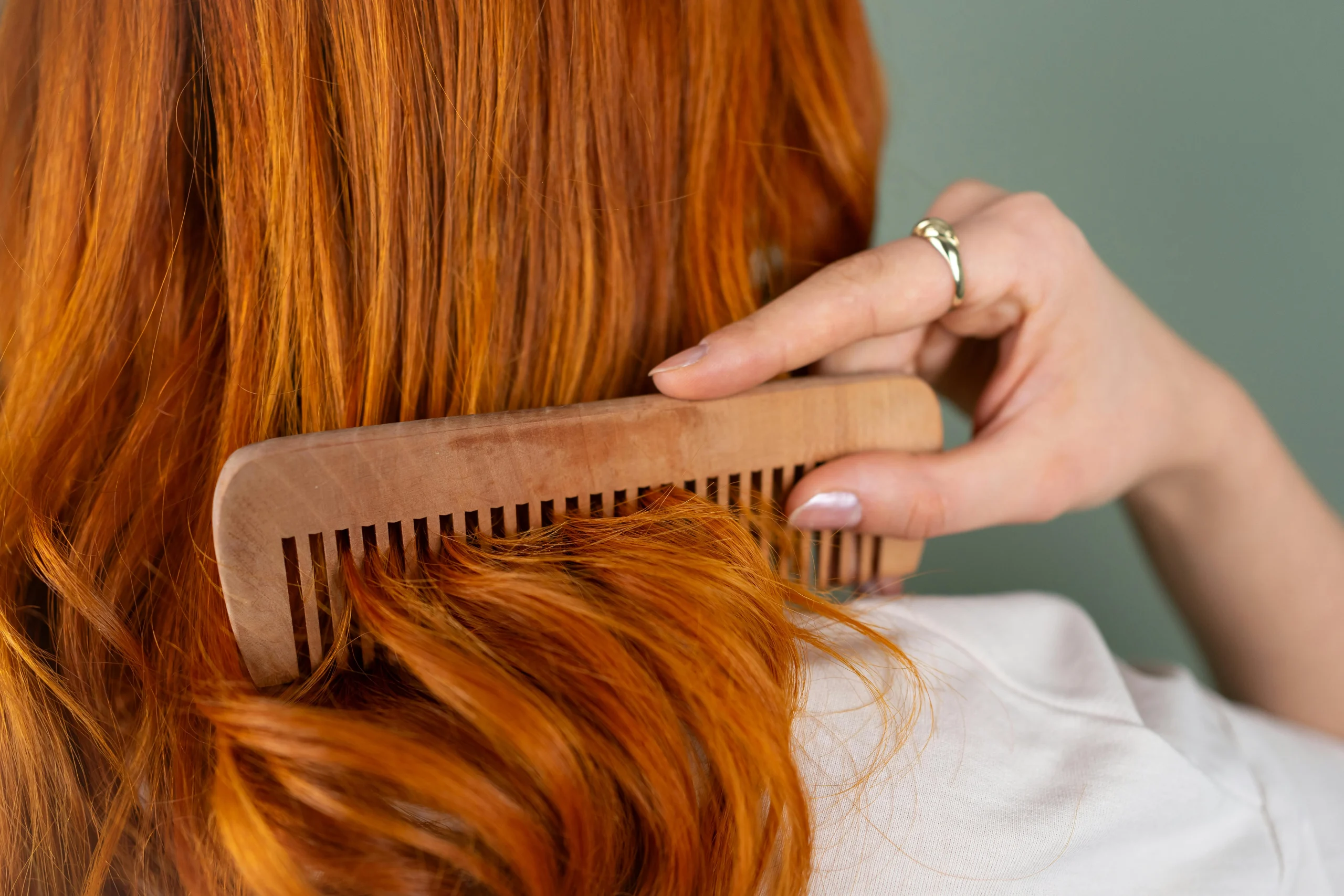
Brushing your hair too often or too aggressively can disrupt the cuticle and increase frizz. Instead, detangle gently when necessary using a wide-tooth comb or your fingers, especially when hair is damp. Reducing unnecessary friction—whether from brushing, towels, or even rough fabrics—helps preserve the hair’s natural smoothness and shine.
Your hair continues to experience friction even while you sleep. Cotton pillowcases can create friction that leads to tangling, breakage, and frizz. Switching to a silk or satin pillowcase helps reduce this friction, allowing your hair to glide smoothly while you sleep. You can also loosely tie your hair or use a soft scrunchie to minimise overnight stress on the strands.
Stress can indirectly affect hair health by disrupting natural growth cycles and weakening overall hair quality. While it may not directly cause frizz, stressed hair often becomes more fragile, drier, and harder to manage. Incorporating stress-reducing habits like regular rest, light exercise, or relaxation techniques can support healthier hair over time.
What you eat plays a key role in how your hair looks and feels. A balanced diet rich in protein, healthy fats, vitamins, and minerals helps strengthen hair from within. Nutrients like biotin, vitamin E, iron, and omega-3 fatty acids support smoother, stronger strands that are less prone to dryness and frizz. Consistent nourishment from within leads to visible improvements in hair texture over time.
Washing your hair too often can strip away natural oils that keep it smooth and hydrated, leading to dryness and frizz. On the other hand, not washing enough can cause buildup of oil, dirt, and products, which weigh the hair down and disrupt its natural texture. Finding the right balance based on your hair type is key to maintaining smooth, healthy-looking hair.
Using too many styling or care products can overload the hair and create buildup on the strands and scalp. This buildup can make hair feel heavy, dull, and harder to manage, often increasing frizz instead of reducing it. A simpler routine with fewer, well-chosen products usually delivers better and more consistent results.
Healthy hair starts with a healthy scalp. When scalp health is neglected, issues like dryness, oil imbalance, or buildup can directly affect hair texture. An unhealthy scalp can lead to weaker strands that are more prone to frizz and a lack of smoothness. Keeping the scalp clean and balanced is essential for better overall hair quality.
Frequent use of heat tools without proper protection is one of the biggest causes of long-term frizz and damage. Heat weakens the hair cuticle, reduces moisture, and makes hair more porous over time. Without a heat protectant, the hair is directly exposed to high temperatures, leading to dryness, roughness, and persistent frizz.
A consistent, minimal routine is often more effective than a complicated one. The goal is to support your hair’s natural texture while keeping it clean, hydrated, and protected without overload.
Start with a gentle shampoo to cleanse the scalp without stripping natural oils. Follow with a lightweight conditioner focused on mid-lengths and ends to maintain softness and moisture balance. Rinse thoroughly to avoid product buildup that can cause dullness or frizz.
After washing, gently towel-dry using a microfibre towel or soft cotton T-shirt. Apply a small amount of natural oil or a lightweight leave-in product if needed, focusing only on the ends. Let your hair air dry whenever possible to reduce heat exposure and maintain natural smoothness.
Once a week, you can include a simple deep-nourishment step, such as a light oil treatment or a natural mask (like aloe vera or a mild DIY blend). This helps restore moisture without overloading the hair with heavy products.
On non-wash days, keep things simple. Avoid over-brushing, reduce heat styling, and use protective hairstyles such as loose braids or buns when needed. A quick touch of serum on frizzy areas can help maintain a smoother look without disrupting your hair’s natural balance.
Achieving smooth, frizz-free hair naturally is not about quick fixes or one-time treatments—it’s about consistent care over time. Hair health improves gradually as you build habits that support moisture balance, reduce damage, and protect the hair’s natural structure.
It’s important to have realistic expectations. Frizz cannot be completely eliminated, especially in changing weather conditions or with certain hair types, but it can be significantly reduced and managed with the right routine. Small, steady improvements in your washing, drying, and styling habits make a noticeable difference in how your hair behaves over time.
Instead of chasing perfection, focus on long-term balance. When you prioritize gentle care, proper hydration, and minimal damage, your hair naturally becomes smoother, healthier, and easier to manage. Embracing your natural texture while improving its condition leads to results that are not only sustainable but also much more effortless in the long run.
