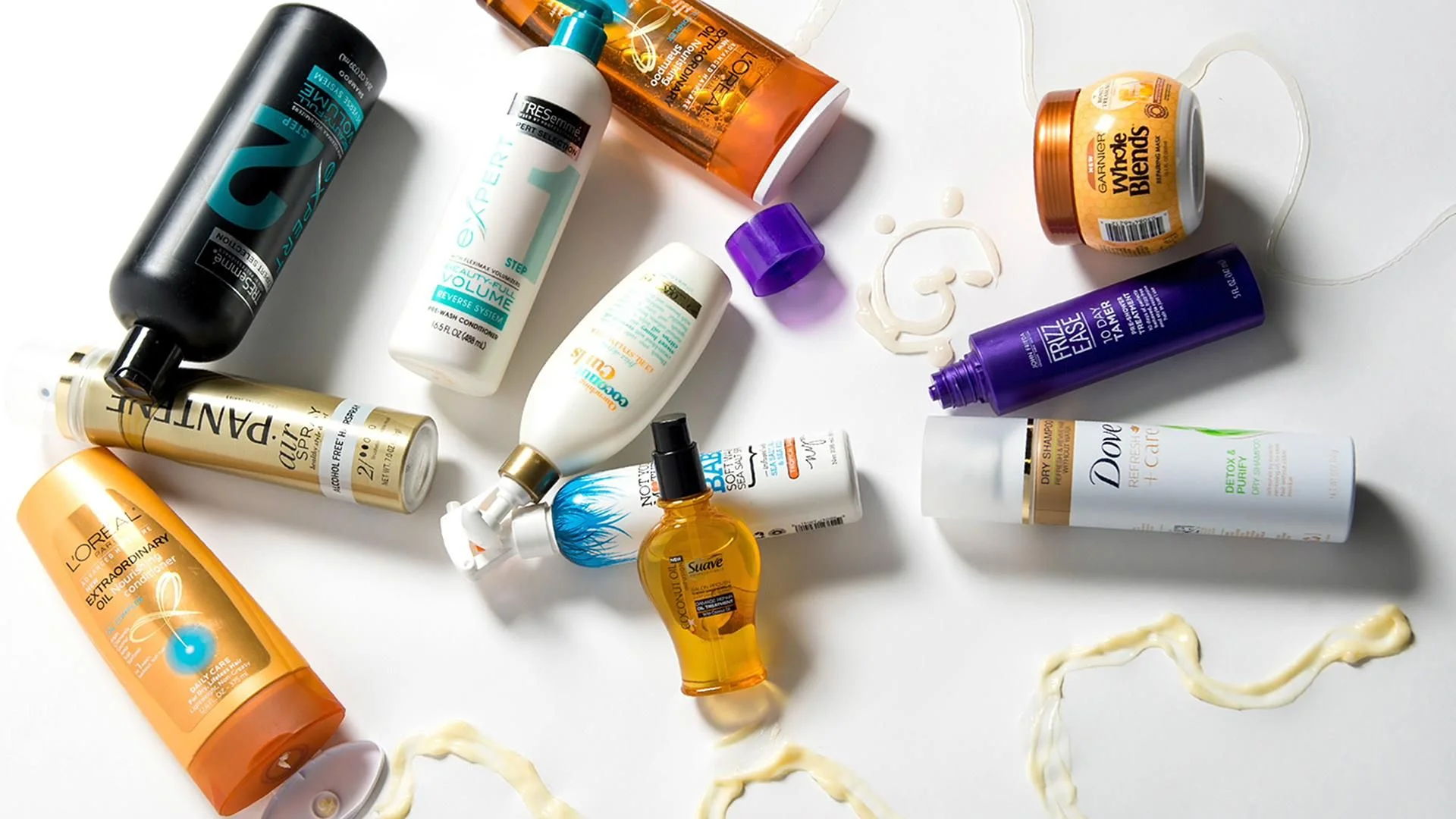
In recent years, there has been a noticeable shift in haircare—from heavily formulated, chemical-based products to simpler, more natural solutions. People are becoming more aware of what they apply to their hair and scalp, and as a result, organic oils have made a strong comeback in modern haircare routines.
This return to natural oils is driven by the desire for healthier, more balanced hair without relying on excessive synthetic ingredients. Unlike complex formulations that often focus on quick cosmetic results, natural oils work with the hair over time, helping to improve moisture, strength, and overall texture in a more gradual and sustainable way.
Among the most popular choices are argan oil, marula oil, coconut oil, and almond oil. Each of these oils brings its own unique benefits—ranging from deep hydration and frizz control to nourishment and shine enhancement—making them versatile additions to almost any hair type and routine.
Organic hair oils are natural oils extracted from plants, seeds, or nuts with minimal processing to preserve their nutrients. They are typically cold-pressed and unrefined, meaning the extraction process avoids high heat and harsh chemicals that can strip away beneficial properties. This helps retain vitamins, antioxidants, and essential fatty acids that support healthier hair and scalp conditions.
Cold-pressed oils are extracted by mechanically pressing the source material at low temperatures. This method helps maintain the oil’s natural composition, making it more effective for nourishment and repair. Unrefined oils are not heavily processed or chemically altered, so they remain closer to their natural state and are generally more beneficial for hair health.
The key difference between organic and synthetic hair oils lies in their composition. Organic oils are derived directly from natural sources, while synthetic oils are often made with artificial ingredients, silicones, or mineral-based compounds designed to mimic effects such as shine or smoothness. While synthetic oils may provide instant cosmetic results, they do not offer the same long-term nourishment as natural oils.
Purity plays an important role in hair health because the fewer additives an oil contains, the less likely it is to cause buildup or scalp irritation. Pure organic oils can penetrate the hair more effectively, delivering moisture and nutrients directly to the strand. This makes them a better long-term option for improving hair strength, texture, and overall health.
Organic oils are highly effective at restoring moisture to dry and dehydrated hair. They help penetrate the hair shaft and lock in hydration, which improves softness and overall manageability. Unlike surface-level products, natural oils work more deeply to support long-lasting moisture balance, making hair feel smoother and healthier over time.
One of the most noticeable benefits of organic oils is their ability to smooth the hair cuticle. By coating the hair’s outer layer, they help reduce frizz and tame flyaways, especially in humid or dry conditions. This creates a more polished, controlled look while also protecting the hair from environmental stress.
Regular use of organic oils can help improve the strength and resilience of hair strands. They reduce breakage by adding slip and flexibility to the hair, making it less prone to snapping during brushing or styling. Over time, this also supports better elasticity, allowing hair to withstand daily stress more effectively.
Organic oils also play an important role in maintaining a healthy scalp environment. They can help soothe dryness, reduce flakiness, and improve overall scalp comfort. A well-nourished scalp creates the right foundation for stronger, healthier hair growth, making oils beneficial not just for the strands but for the roots as well.
Argan oil is known for its lightweight texture and ability to add instant shine without weighing the hair down. It helps smooth frizz, improve manageability, and give hair a soft, polished finish. Because it absorbs easily, it is especially suitable for everyday use and works well for most hair types, including fine and normal hair.
Marula oil is rich in antioxidants and essential fatty acids, making it highly nourishing for both hair and scalp. It absorbs quickly without leaving a greasy residue, which makes it ideal for those who want hydration with a lightweight feel. It also helps improve softness and protect the hair from environmental stress and dryness.
Coconut oil is one of the most deeply penetrating natural oils, known for its ability to strengthen and repair hair from within. It helps reduce protein loss, making it especially beneficial for dry, damaged, or chemically treated hair. However, it should be used in moderation, as it can feel heavy on finer hair types.
Almond oil is a gentle, vitamin-rich oil that helps soften and smooth the hair. It contains nutrients like vitamin E that support healthier-looking strands and improve overall shine. It is particularly useful for adding light nourishment and reducing roughness without making the hair feel heavy or greasy.
Applying oil before washing helps protect the hair from moisture loss during shampooing. Massage a small amount into the mid-lengths and ends, leave it for 30–60 minutes, then wash with a gentle shampoo. This method is especially useful for dry or damaged hair.
After washing and drying your hair, use a very small amount of oil as a finishing touch. Focus only on the ends to add shine, reduce frizz, and smooth flyaways. This step should be light to avoid weighing the hair down.
Overnight oiling can provide deeper nourishment for very dry or coarse hair. Apply a moderate amount before bed and wash it out the next morning. This should be done occasionally rather than daily to avoid buildup on the scalp and strands.
With organic oils, less is always more. Using too much can lead to greasy hair, buildup, and reduced effectiveness. Start with a few drops and increase only if needed based on your hair type and texture. The goal is nourishment, not saturation.
Fine hair needs lightweight oils that won’t weigh it down. Oils like argan or marula work best because they absorb quickly and add shine without making the hair look greasy. Thick or coarse hair, on the other hand, can handle richer oils like coconut or almond oil, which provide deeper nourishment and help control dryness and frizz more effectively.
If you have an oily scalp, it’s best to avoid applying oil directly to the roots and instead focus on the mid-lengths and ends. Lightweight oils used sparingly help maintain balance without increasing greasiness. For a dry scalp, nourishing oils applied in small amounts can help soothe irritation, reduce flakiness, and restore moisture balance.
Curly hair often benefits from richer oils that help define curls, reduce frizz, and lock in moisture. Wavy hair does well with medium-weight oils that enhance texture without making it heavy. Straight hair typically needs very light oils used in minimal amounts to maintain smoothness and shine without losing natural volume or becoming flat.
One of the most common mistakes is overusing oil. A few drops are usually enough for most hair types, but applying too much can make hair look greasy, heavy, and unwashed. Organic oils are concentrated, so a small amount goes a long way.
Unless you have a very dry scalp, applying oil directly to the roots can lead to buildup and clogged follicles. In most cases, oils are best used on the mid-lengths and ends, where dryness and frizz are more common.
Using multiple oils at once doesn’t always improve results. In fact, it can make it harder to understand what your hair actually needs. It’s better to stick to one or two oils that suit your hair type and use them consistently.
Organic oils work gradually, not instantly. They improve hair health over time by adding moisture, reducing breakage, and improving texture with consistent use. Expecting immediate transformation often leads to overuse or disappointment.
Organic oils are derived from natural plant, seed, or nut sources and are minimally processed to retain their nutrients. They contain natural fatty acids, vitamins, and antioxidants that nourish the hair over time. In contrast, commercial hair serums are often formulated with silicones, synthetic polymers, and added fragrances designed to create an immediate, smooth, shiny finish on the hair’s surface.
Organic oils focus on long-term hair health by improving moisture retention, reducing breakage, and gradually strengthening hair with consistent use. Their effects build over time and support overall hair condition. Hair serums, on the other hand, are more about instant cosmetic results. They smooth frizz, add shine, and improve manageability quickly, but the effects are temporary and wash out easily.
Neither option is strictly better—it depends on your hair goals. If you want deeper nourishment and long-term improvement in hair health, organic oils are a better fit. If you need quick styling control, shine, and frizz reduction for daily wear or special occasions, serums are more practical. Many routines actually benefit from using both strategically: oils for treatment and health, serums for finishing and styling.
A consistent routine is more important than heavy application when it comes to organic oils. The goal is to nourish the hair in a simple, manageable way without overloading it.
Start with a pre-wash treatment once or twice a week. Take a small amount of oil—such as argan, marula, or coconut oil, depending on your hair type—and apply it mainly to the mid-lengths and ends. Leave it on for around 30–60 minutes before washing it out with a gentle shampoo. This helps protect the hair and reduce moisture loss during cleansing.
After washing, if needed, apply a light finishing touch of oil on damp or dry hair. Use only 1–2 drops, warm it between your palms, and smooth it over the ends to reduce frizz and add shine. This step should feel light and invisible, not heavy or greasy.
For deeper nourishment, you can include an overnight oil treatment once a week if your hair is very dry or damaged. Apply a slightly more generous amount than your pre-wash routine, focus on the ends and mid-lengths, and wash it out thoroughly the next morning.
The key is consistency and control. Using small amounts regularly works far better than heavy, occasional application, helping your hair stay nourished, smooth, and naturally healthy over time.
Simplicity often works best when it comes to hair health. Instead of relying on multiple complex products, returning to natural oils and a more minimal routine allows your hair to breathe, balance itself, and respond better over time. Organic oils like argan, marula, coconut, and almond provide targeted nourishment without overwhelming the hair or scalp with unnecessary ingredients.
The real benefits of natural haircare come from consistency. Occasional use of oils may offer temporary softness or shine, but long-term improvements in texture, strength, and manageability occur only when they are used regularly and correctly. Small, steady habits build healthier hair far more effectively than quick fixes or heavy product layering.
Ultimately, embracing natural nourishment is about working with your hair instead of against it. When you focus on simple, mindful care, your hair becomes stronger, smoother, and easier to manage sustainably. It’s not about doing more—it’s about doing what truly supports your hair’s natural health.
