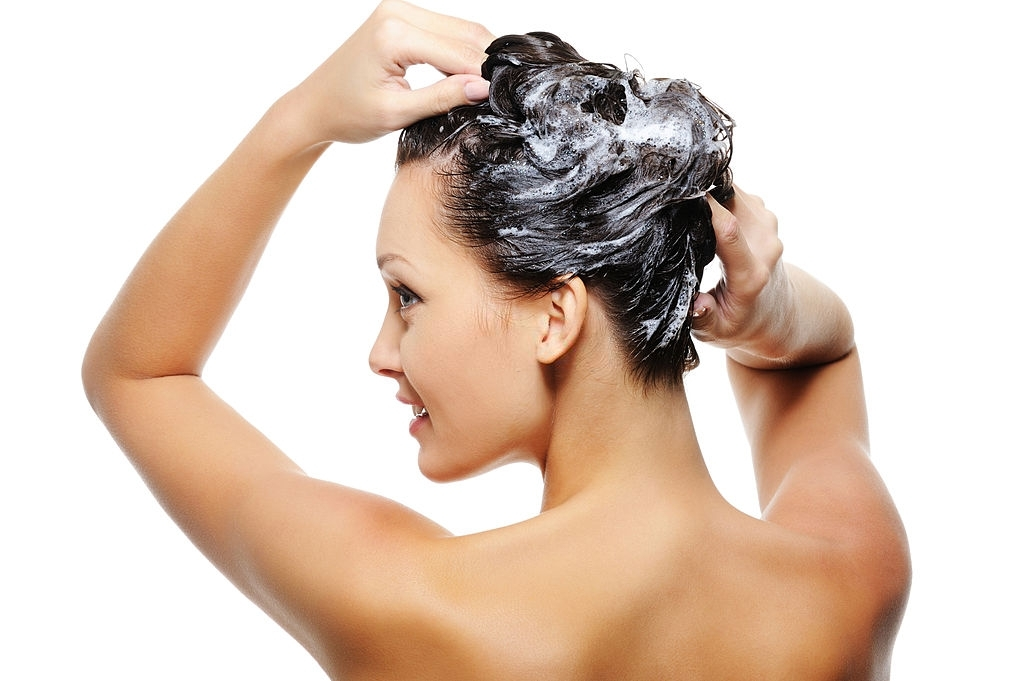
You have probably stood in the shower wondering: am I washing my hair too much? Not enough? It’s one of the most searched questions in hair care, and honestly, one of the least straightforward to answer and know how often should you wash your hair.
The truth is, there is no single magic number. How often you should wash your hair depends entirely on your hair type, scalp condition, lifestyle, and the hair care products you’re using. Wash too frequently and you strip your scalp of natural oils. Wash too infrequently and you risk product build-up, blocked follicles, and limp, dull hair.
This complete guide walks you through everything you need to know, from identifying your hair type and building the right hair care routine, to choosing the best shampoo and conditioner for your specific needs.
Most people treat hair washing as an afterthought, just part of the shower routine. But how often you wash has a direct impact on your scalp health, hair strength, and long-term hair condition.
Your scalp naturally produces an oil called sebum. Sebum is not your enemy, it protects the hair shaft, locks in moisture, and keeps your scalp’s microbiome balanced. When you shampoo, you’re removing sebum. Shampoo too often, and your scalp compensates by producing more oil, leaving hair greasier faster. Shampoo too rarely, and sebum, sweat, and product residue clog follicles, which can contribute to poor scalp care and even slow hair growth.
Getting the frequency right is the single most important step in a sustainable hair care routine.
Fine hair lies flatter against the scalp, meaning sebum travels down the hair shaft much faster. If you have fine or naturally oily hair, you’ll likely notice roots becoming greasy within 24 hours of washing.
Frequent washing is generally fine for fine hair, provided you’re using a gentle, balancing shampoo that cleanses without over-stripping. Harsh sulphates can trigger even more oil production, so look for a sulfate free shampoo uk option designed for regular use.
Product tip: HEHR Signature Shampoo is formulated with organic prickly pear and marula oils, it cleanses thoroughly while keeping the scalp balanced, making it ideal for regular use without causing dryness.
If your hair doesn’t get visibly oily for two or more days after washing, you sit in the “normal” category. This is the most flexible hair type, you can comfortably follow a wash, condition, and occasional treatment routine without overthinking it.
A standard hair care routine for normal hair might look like:
Thick and coarse hair has more distance for sebum to travel, so it stays fresher for longer. Washing too frequently can cause dryness, frizz, and brittleness, particularly for those with naturally curly or afro-textured hair.
If you’re washing once a week (a once a week hair wash schedule), make it count. Use a hydrating shampoo and always follow with a conditioner and a deeply nourishing hair mask to replenish moisture between washes.
Product tip: The HEHR 950ml Signature Hair Mask is enriched with organic shea butter and argan oil, making it an exceptional weekly treatment for thick or coarse hair. It restores moisture, strength, and shine, and it’s colour-safe too.
Dry hair is already lacking in natural moisture, so frequent washing strips away what little the hair shaft retains. If you’re noticing breakage, split ends, or a lack of elasticity, consider scaling back your wash frequency and investing in richer hair treatment products between washes.
The best shampoo for dry hair will be sulphate-free, moisturising, and gentle enough not to further compromise the hair’s structure. Pair it with a deeply hydrating conditioner and a weekly mask treatment.
Product tip: HEHR Signature Conditioner 950ml is enriched with precious oils to restore shine, vitality, and smoothness — ideal for dry hair types needing everyday moisture replenishment.
If you colour your hair, washing frequency directly affects how long your colour lasts. Hot water and frequent shampooing accelerate colour fade. Choosing the best shampoo for coloured hair — ideally sulphate-free and colour-protecting — and reducing wash frequency to twice a week can add weeks to your colour’s vibrancy.
Use dry shampoo between washes if needed, and always follow with a colour-safe conditioner.
If you have a dry scalp, you may think washing less often will help, and that’s partially true. But a flaky, itchy scalp also needs regular cleansing to remove build-up that can worsen symptoms.
Scalp care is its own discipline. Look for a shampoo for dry scalp that cleanses gently without disrupting the scalp’s natural barrier. Avoid hot water (it worsens dryness), massage your scalp gently during washing, and focus on hydration throughout your routine.
Short answer: every time you shampoo, and sometimes in between.
If you wash 2–3 times a week, condition every single wash. If you wash more frequently, you can condition every other wash for fine hair to avoid weighing it down. For dry or thick hair types, leave-in conditioners or mid-week conditioning treatments can be extremely beneficial.
How often should I condition my hair? As a general rule:
Start with lukewarm water, hot water opens the cuticle excessively and accelerates oil production. Thoroughly saturate your hair before applying any products.
Shampoo is for your scalp, not your lengths. Apply a small amount, about the size of a 50p coin, and massage gently into the scalp using your fingertips (not nails). The lather will naturally cleanse the mid-lengths and ends as it rinses through.
Inadequate rinsing is one of the most common causes of dull, weighed-down hair. Take an extra 30 seconds to ensure all product is removed before moving to conditioning.
Apply conditioner from mid-lengths to ends. Leave for 2–3 minutes before rinsing with cool water to seal the cuticle and add shine.
Once a week (or more often if your hair is dry or damaged), apply a nourishing hair mask to damp hair post-shampoo. Leave for 10–20 minutes under a towel or shower cap, then rinse thoroughly.
Product tip: Pair the HEHR Signature Shampoo with the HEHR Signature Conditioner and the HEHR Hair Mask for a complete hair care set that works in harmony across your weekly routine.
Not all shampoo and conditioner combinations are created equal. The UK market is full of products with impressive packaging but ingredient lists packed with harsh sulphates, silicones, and synthetic fillers that strip and coat the hair without truly nourishing it.
When choosing hair care products uk, look for:
HEHR is a UK-crafted premium brand built around this exact philosophy. Their range of luxury hair products uses carefully selected, purpose-driven ingredients without unnecessary complexity. The formulations are designed to work together, making it straightforward to build a routine that genuinely delivers results.
Washing technique matters as much as frequency. Here’s how to avoid damage during your routine:
How to avoid hair breakage:
How to strengthen the hair:
Product tip: The HEHR Blowdry Cream is designed specifically for use before heat styling. It creates a protective layer that supports smoothness and control, reducing heat-related breakage.
Many people ask what helps hair growth — and while products can support the environment for healthy growth, the most impactful factor is scalp health. A clean, well-nourished scalp with good circulation and unblocked follicles is the foundation for growth.
Regular scalp massage during shampooing increases blood circulation to the follicles. Using a gentle, sulphate-free shampoo reduces inflammation. A nutrient-rich hair mask or treatment keeps the scalp moisturised and the hair shaft resilient as it grows out.
If you’re noticing significant hair thinning or loss, consider speaking to a trichologist or dermatologist — good treatment for hair loss at a clinical level goes beyond topical products.
Is it bad to wash your hair every day?
For most hair types, daily washing strips natural oils and can lead to dryness, irritation, and over-production of sebum. Fine or oily hair types may tolerate 4–5 washes per week, but daily washing is rarely beneficial.
Can I wash my hair without shampoo?
“Co-washing” (washing with conditioner only) is popular among those with very dry or curly hair. It cleanses gently while retaining moisture. If you try it, ensure you’re doing a proper clarifying shampoo wash at least every 2–3 weeks to remove build-up.
What is the best shampoo for dry hair in the UK?
Look for sulphate-free formulas enriched with hydrating oils like argan, marula, or shea. HEHR’s Signature Shampoo contains organic prickly pear and marula oils — a strong option for dry hair types in the UK.
Does washing your hair less often make it healthier?
Not necessarily, it depends on your hair and scalp type. The goal is to find the right frequency for your hair, not simply wash less. Under-washing can lead to build-up and scalp issues just as over-washing can cause dryness.
How often should I use a hair mask?
Most hair types benefit from a hair mask once a week. Very dry or damaged hair may benefit from 2–3 times per week for the first month, then reducing to weekly maintenance.
| Hair Type | Recommended Frequency | Key Product Focus |
|---|---|---|
| Fine / Oily | 4–5x per week | Gentle, balancing shampoo |
| Normal | 2–3x per week | Shampoo + conditioner combo |
| Thick / Coarse | 1–2x per week | Deep conditioning + weekly mask |
| Dry / Damaged | 1–2x per week | Sulphate-free shampoo + intensive mask |
| Colour-Treated | 1–2x per week | Colour-safe, sulphate-free products |
| Dry Scalp | 2–3x per week | Scalp-focused, gentle formula |
There is no one-size-fits-all answer to how often you should wash your hair. What matters most is understanding your hair type, paying attention to how your scalp and hair respond, and choosing the right hair care products to support a routine that works for you.
Invest in quality over quantity. A well-formulated shampoo and conditioner from a brand with a genuine ingredient-led philosophy — like HEHR — will outperform a shelf full of bargain bottles every time.
Ready to build your ideal hair care routine? Explore the full HEHR collection — premium, UK-crafted haircare designed for real results.
