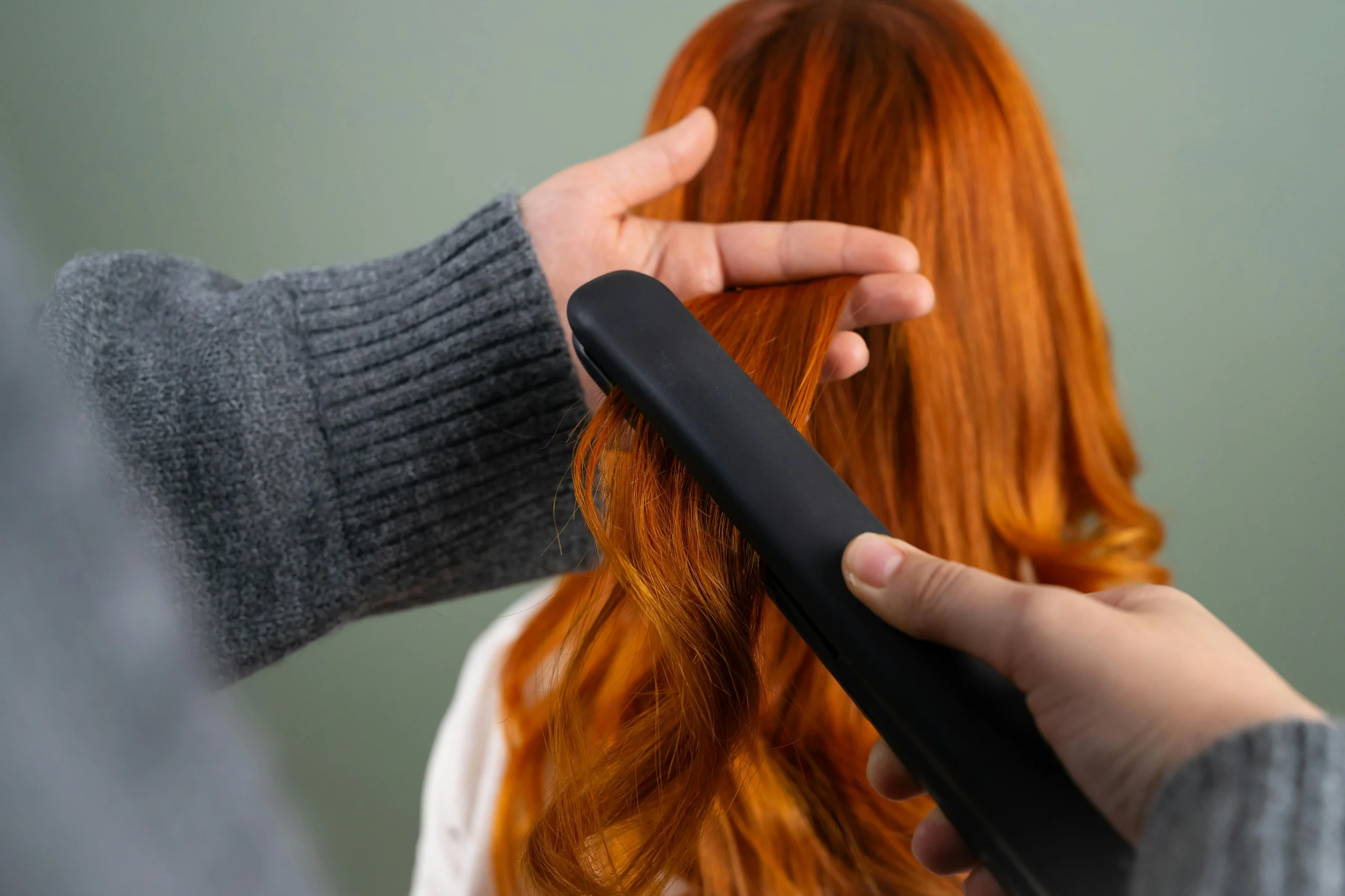
Blow dryers, straighteners, and curling tools have become a normal part of everyday hair styling. They help create smooth, polished, and long-lasting looks in just a few minutes, making them an essential part of many people’s routines.
However, what often goes unnoticed is the gradual damage these tools can cause. Heat doesn’t usually show immediate visible harm. Instead, it slowly weakens the hair over time, affecting its strength, texture, and natural shine before the damage becomes obvious.
One of the main reasons this issue is overlooked is convenience. Heat styling feels quick and harmless, especially when results look good in the moment. Because the damage builds up silently, many people continue using heat tools without realizing the long-term impact on their hair health.
When heat is applied to hair, it evaporates the natural moisture inside the strands. This leaves the hair dry, rough, and more prone to frizz because it loses its internal hydration balance.
Hair is made primarily of keratin, a protein that gives it strength. High temperatures weaken this structure over time, making strands less resilient and more likely to break under stress.
The outer layer of the hair (cuticle) can lift or crack under excessive heat. Once this protective layer is damaged, hair becomes more porous, meaning it absorbs moisture quickly but loses it just as fast—leading to constant dryness.
Repeated heat exposure gradually changes the natural texture of hair. It can become dull, uneven, and rough instead of smooth and glossy, as the damaged cuticle no longer reflects light effectively.
Heat protectants are specially formulated hair products designed to reduce damage from styling tools such as blow-dryers, straighteners, and curling irons. They are applied before heat styling to create a layer of protection between your hair and high temperatures.
These products coat the hair shaft with lightweight ingredients such as silicones, polymers, or conditioning agents. This coating helps distribute heat more evenly across the hair and reduces direct exposure to extreme temperatures on any single point of the strand.
By acting as a buffer, heat protectants slow down moisture loss and minimize structural damage to the hair cuticle. This means less dryness, reduced breakage, and smoother results even after regular heat styling.
Heat-damaged hair often feels rough and dry to the touch. This happens because repeated heat exposure strips away natural moisture, leaving strands weak and less flexible than healthy hair.
One of the most common signs is split ends and increased breakage. When the hair cuticle is weakened, the strands start to fray and snap more easily, especially during brushing or styling.
Normal frizz usually responds to conditioning or smoothing products. However, heat-damaged hair tends to remain frizzy even after styling because its structure has been compromised.
Healthy hair has a natural stretch and bounce. Heat damage reduces this elasticity, making hair feel stiff, flat, or lifeless and more likely to break rather than flex when pulled gently.
Heat protectants help lock in your hair’s natural moisture by creating a barrier between the strand and high temperatures. This prevents excessive dryness and keeps hair feeling softer and more hydrated after styling.
By reducing direct heat stress on the hair shaft, heat protection minimizes structural damage. This leads to fewer split ends, less snapping, and stronger strands over time, even with regular styling.
Protected hair responds better to heat tools, resulting in a smoother, more polished finish. It also helps reduce frizz and uneven texture, making styling easier and more consistent.
Consistent use of heat protection supports long-term hair integrity. Instead of gradually weakening with every styling session, your hair stays healthier, stronger, and more resilient over time.
Always apply heat protection before using a blow dryer. Even moderate heat can remove moisture from the hair, so a protectant helps reduce dryness and keeps strands smoother during styling.
Flat irons and curling wands apply direct, concentrated heat. Using a heat protectant beforehand is essential for reducing cuticle damage, preventing breakage, and maintaining hair strength over time.
Many people assume lower temperatures are safe, but damage can still occur gradually. Heat protection should be used every time you apply heat, regardless of the setting, to ensure consistent protection.
Some heat protectants are designed for damp hair before blow drying, while others work on dry hair before styling tools. Always check the product type and apply it correctly to get full protection benefits.
Heat protectants come in different formats, and each works best for specific needs.
Sprays are lightweight and easy to distribute, making them ideal for fine hair or quick blow-drying routines. Creams offer more moisture and control, which suits thicker or drier hair types. Serums are more concentrated and work well for smoothing and adding shine, especially before flat ironing.
Lightweight formulas are best if you want protection without weighing your hair down or making it greasy. They are ideal for daily or frequent styling. Heavier formulas provide more hydration and control but should be used carefully to avoid buildup, especially on fine or oily hair.
The right heat protectant depends on your hair’s texture and condition. Fine hair benefits from light sprays, thick or coarse hair often needs richer creams, and frizzy or dry hair may respond better to nourishing serums. Choosing the right match ensures protection without compromising your hair’s natural feel.
One of the most common mistakes is skipping heat protection when in a rush. Even a “quick” blow-dry or straightening session exposes hair to high temperatures, and missing this step can still cause long-term damage.
Applying heat protectant in very small amounts reduces its effectiveness. If the product doesn’t coat the hair properly, it cannot form a reliable barrier, leaving sections of hair exposed to heat damage.
Another mistake is failing to distribute the product properly. When heat protectant is concentrated in one area and missed in others, some strands remain unprotected, leading to uneven texture, dryness, and breakage over time.
Many people assume that using lower heat settings removes the need for protection. While lower heat reduces damage, it does not eliminate it. Heat protectant is still essential for safeguarding hair structure and maintaining long-term health.
Limiting how often you use heat tools gives your hair time to recover naturally. Instead of styling every day, try reserving heat for specific occasions and allowing your natural texture to take priority.
Letting your hair air dry helps reduce repeated exposure to high temperatures. Even partial air-drying before using a blow-dryer can significantly reduce heat stress and help maintain healthier strands.
Most styling results don’t require maximum heat. Using lower or medium settings reduces unnecessary damage while still delivering smooth, controlled styling when needed.
Trimming your hair every few weeks or months helps remove split ends before they travel up the strand. This keeps your hair looking healthier, prevents breakage, and supports overall strength over time.
Heat styling is not inherently harmful, but the lack of protection is what leads to long-term damage. Blow dryers, straighteners, and curling tools can all be used safely as part of a regular routine, but only when the hair is properly shielded from high temperatures. Without that protective barrier, repeated heat exposure gradually weakens the hair, even if the damage is not immediately visible.
Heat protection should be treated as a non-negotiable step in any styling routine, not an optional extra. Just as skin requires sunscreen before sun exposure, hair needs a heat protectant before styling with heat tools. This simple step helps reduce moisture loss, protect the hair structure, and maintain overall strength and shine over time.
Healthy hair is built through consistent care, not occasional treatment. Applying heat protection every time you style your hair prevents gradual damage from building up and helps preserve the natural integrity of your strands. It is a small, effortless habit that delivers long-term results—less breakage, smoother texture, and visibly healthier hair.
